Building Cultural Unity in Youth Sports Programs
- Johnier Jimenez
- Mar 14
- 4 min read

Youth sports programs are more than just a way for children to stay active; they serve as a vital platform for fostering cultural unity among diverse groups. In a world that often emphasizes differences, these programs can bridge gaps, promote understanding, and cultivate friendships that transcend cultural boundaries. This blog post explores how youth sports can be a powerful tool for building cultural unity, providing practical strategies and examples to implement in local programs.
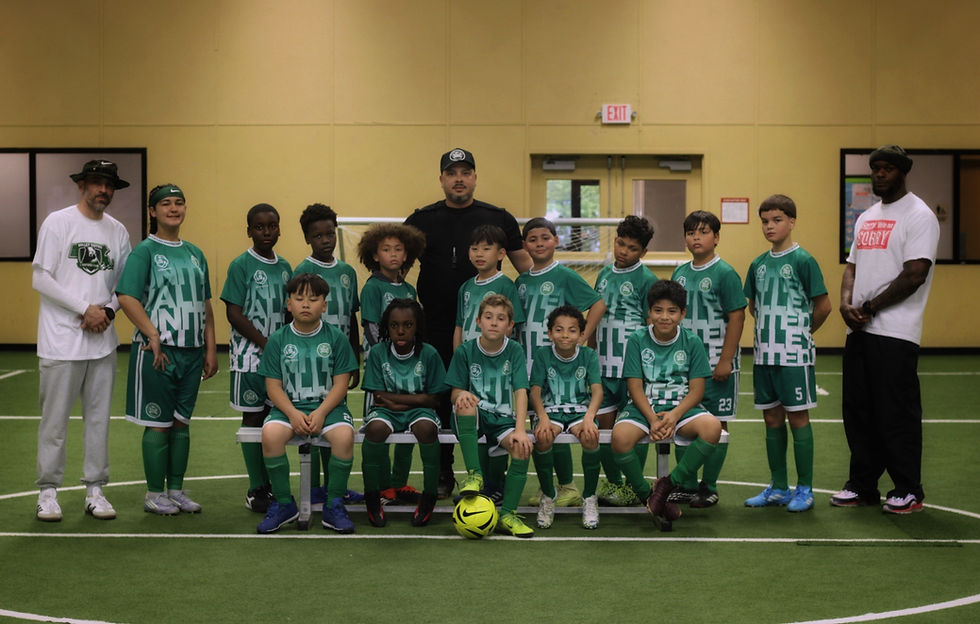
The Importance of Cultural Unity in Youth Sports
Cultural unity in youth sports is essential for several reasons:
Promotes Inclusivity: When children from various backgrounds come together, they learn to appreciate each other's differences, fostering an inclusive environment.
Builds Friendships: Shared experiences in sports can lead to lasting friendships, helping children develop social skills and emotional intelligence.
Encourages Teamwork: Working together towards a common goal teaches children the value of collaboration and mutual respect.
Understanding Cultural Differences
To effectively promote cultural unity, it's crucial to understand the diverse backgrounds of participants. This includes recognizing differences in:
Language: Some children may speak different languages, which can create barriers. Encouraging bilingual coaches or using visual aids can help bridge this gap.
Traditions: Different cultures have unique customs and practices. Incorporating these into sports programs can enrich the experience for all participants.
Values: Understanding varying cultural values can help coaches and parents create a supportive environment that respects all participants.
Strategies for Building Cultural Unity
1. Diverse Coaching Staff
Having a coaching staff that reflects the diversity of the community can significantly impact cultural unity. Coaches from different backgrounds can share their experiences and perspectives, creating a more inclusive atmosphere.
Example: A local soccer club hired coaches from various cultural backgrounds, leading to a more inclusive environment where children felt represented and understood.
2. Cultural Exchange Events
Organizing cultural exchange events within sports programs can help participants learn about each other's backgrounds. These events can include:
Cultural Days: Participants can wear traditional attire, share food, and teach others about their customs.
Workshops: Invite community members to conduct workshops on cultural practices, such as dance or music, that can be integrated into sports activities.
Example: A basketball league hosted a cultural day where players showcased their heritage through food and performances, fostering a sense of belonging and unity.
3. Inclusive Language and Communication
Using inclusive language in all communications is vital for creating a welcoming environment. This includes:
Avoiding Jargon: Use simple language that everyone can understand, regardless of their background.
Encouraging Participation: Actively invite input from all participants, ensuring everyone feels valued and heard.
Example: A youth baseball league implemented a policy of using clear, simple language in all announcements and materials, making it easier for non-native speakers to engage.
4. Team-Building Activities
Incorporating team-building activities that emphasize cooperation and understanding can strengthen bonds among participants. Activities can include:
Group Challenges: Create challenges that require teamwork and communication, encouraging players to work together.
Peer Mentoring: Pair older players with younger ones to foster relationships and promote cultural exchange.
Example: A local football program organized team-building retreats where players participated in activities designed to enhance trust and communication, leading to improved team dynamics.
The Role of Parents and Community
Engaging Parents
Parents play a crucial role in fostering cultural unity in youth sports. Encouraging parental involvement can create a supportive environment for children. Strategies include:
Parent Meetings: Host regular meetings to discuss program goals and encourage parents to share their cultural perspectives.
Volunteer Opportunities: Provide opportunities for parents to get involved in coaching, organizing events, or supporting teams.
Example: A community soccer program established a parent committee that organized cultural events, enhancing engagement and support for the program.
Building Community Partnerships
Collaborating with local organizations can enhance the cultural unity of youth sports programs. Partnerships can include:
Schools: Work with local schools to promote sports programs and encourage participation from diverse student populations.
Cultural Organizations: Partner with cultural organizations to host events that celebrate diversity within the sports community.
Example: A youth hockey league partnered with a local cultural center to host a multicultural sports festival, attracting families from various backgrounds and promoting unity.
Measuring Success
To ensure that efforts to build cultural unity are effective, it's essential to measure success through:
Surveys: Conduct surveys among participants and parents to gather feedback on the inclusivity of the program.
Participation Rates: Monitor participation rates among diverse groups to assess the program's reach and impact.
Example: A local basketball program implemented annual surveys to gauge participant satisfaction and inclusivity, using the feedback to make necessary adjustments.
Challenges and Solutions
Addressing Resistance
Some individuals may resist efforts to promote cultural unity due to preconceived notions or biases. To address this, programs can:
Provide Education: Offer workshops on cultural sensitivity and the benefits of diversity in sports.
Encourage Open Dialogue: Create safe spaces for discussions about cultural differences and challenges.
Overcoming Language Barriers
Language barriers can hinder communication and participation. Solutions include:
Bilingual Resources: Provide materials in multiple languages to ensure all participants can access information.
Language Buddies: Pair participants who speak different languages to help each other during practices and games.
Conclusion
Building cultural unity in youth sports programs is not just beneficial; it is essential for creating a supportive and inclusive environment for all participants. By implementing strategies such as diverse coaching staff, cultural exchange events, and community partnerships, programs can foster understanding and friendship among children from various backgrounds.
As we move forward, let’s commit to making youth sports a space where every child feels valued and included. Together, we can build a future where cultural unity thrives, enriching the lives of our youth and the communities they represent.
Takeaway: Start small by implementing one or two of these strategies in your local youth sports program and watch as cultural unity begins to flourish.


Comments